

Quick answer
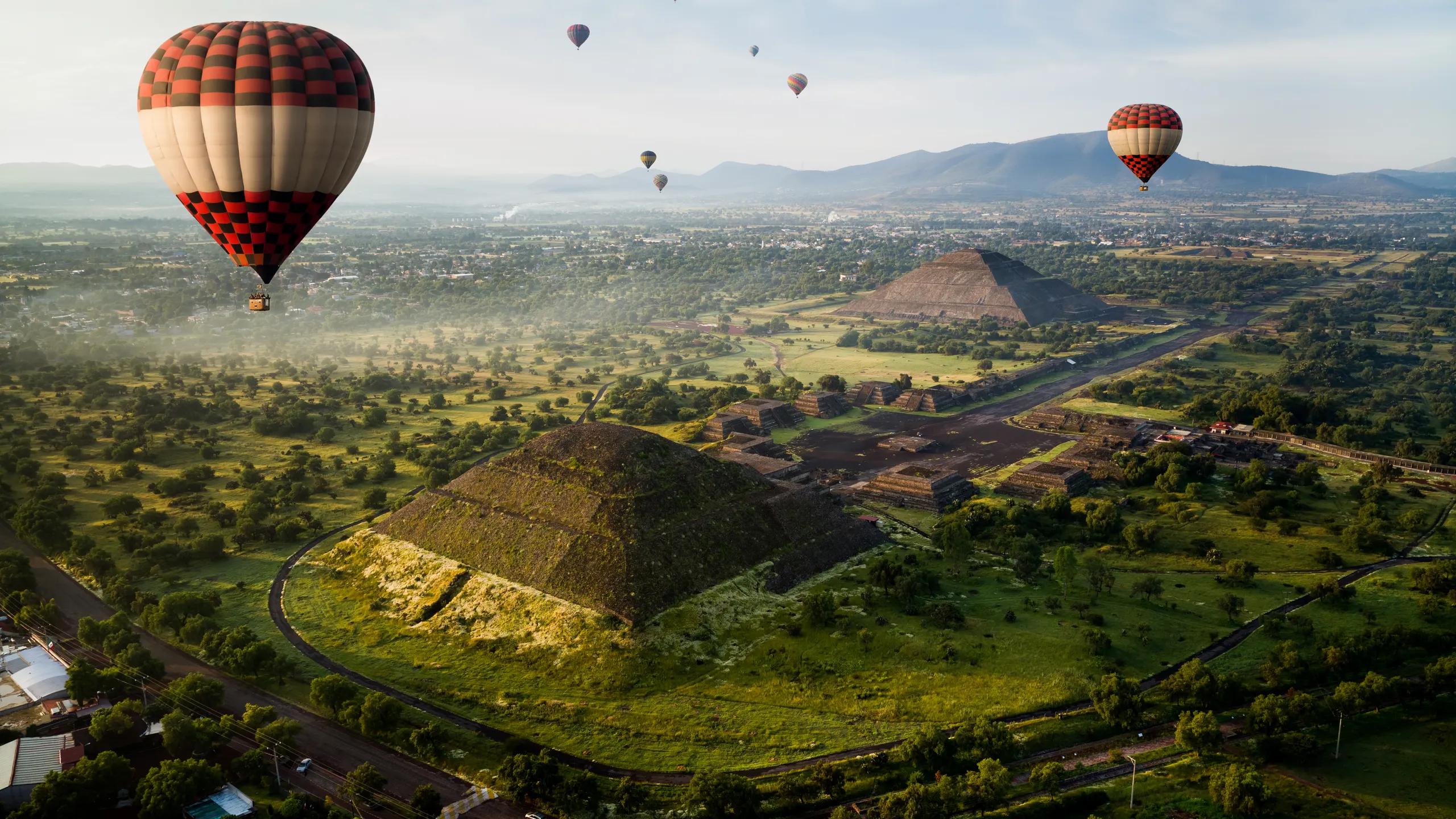
The most widely reported mexico city hot air balloon accident at Teotihuacan occurred when a balloon carrying tourists experienced a hard landing due to sudden wind shifts during descent. Two passengers sustained minor injuries, and the incident prompted Mexico's civil aviation authority to tighten pre-flight weather assessment requirements for balloon operators in the State of Mexico. No fatalities have been recorded in commercial balloon operations over the archaeological zone since flights began in the early 2000s, though hard landings and aborted flights due to wind conditions happen occasionally.
Commercial balloon flights over Teotihuacan began in the early 2000s, and the airspace above the pyramids now hosts dozens of flights each week during peak season. The mexico city hot air balloon accident that drew the most attention happened during a morning flight when wind conditions changed rapidly as the balloon descended near the perimeter of the archaeological zone. Two passengers were treated for ankle and wrist injuries after the basket tipped on impact, and the pilot sustained bruises. The incident was classified as a hard landing rather than a crash, but it triggered an immediate review of operator protocols across the region. Mexico's Dirección General de Aeronáutica Civil responded by mandating that all balloon operators in the State of Mexico install real-time wind monitoring equipment at launch sites and maintain direct radio contact with ground meteorological teams. Pilots must now abort flights if ground wind speed exceeds 12 kilometers per hour or if upper-level wind forecasts predict gusts above 25 kilometers per hour during the planned flight window. These rules mirror standards already in place in Cappadocia and the Serengeti, two other major balloon tourism destinations. Teotihuacan's geography contributes to variable wind patterns. The valley sits at 2,300 meters elevation, and thermal updrafts from the surrounding plains can shift direction without warning as the sun heats the volcanic rock of the pyramids. Experienced pilots launch only during the narrow window between dawn and mid-morning, when conditions are most stable. Flights scheduled after 09:00 are routinely canceled, and operators with strong safety records cancel more often than they fly during the November-to-March windy season. Visitors planning a balloon flight should confirm that their operator holds current certification from the Dirección General de Aeronáutica Civil and carries liability insurance covering medical evacuation. The archaeological site itself opens at 08:00, and most balloon flights conclude by the time ground visitors begin arriving. Passengers should expect pre-flight safety briefings that cover landing positions and emergency procedures, and they should not hesitate to ask about the pilot's flight hours and the basket's weight capacity before boarding.
“Teotihuacan's thermal updrafts can shift direction without warning as the sun heats the volcanic rock of the pyramids.”
Mexico City Hot Air Balloon Accident Prevention and Safety
The 2024 Teotihuacan hot air balloon accident highlighted critical gaps in operator vetting and pre-flight safety protocols. Understanding certification requirements and recognizing warning signs helps travelers choose reputable operators.
Booking with uncertified operators offering steep discounts
Verify the operator holds current AFAC (Agencia Federal de Aviación Civil) certification before payment. Licensed operators display permit numbers and maintain registered aircraft with documented maintenance logs.
Ignoring weather briefings or pressure to fly in marginal conditions
Reputable operators cancel flights when wind exceeds safe limits (typically 10-12 mph) or visibility drops. A professional pilot prioritizes passenger safety over schedule pressure, and cancellations should trigger full refunds.
Skipping the pre-flight safety briefing or failing to ask questions
Attend the full briefing and confirm the pilot explains landing positions, basket holds, and emergency procedures. Operators rushing or omitting this step signal inadequate safety culture.
Assuming all Teotihuacan balloon companies follow identical safety standards
Safety records vary widely between operators. Research recent inspection results, ask for proof of liability insurance, and read independent reviews that mention pilot experience and equipment condition—not just scenery.
Optimal Timing for Mexico City Hot Air Balloon Tours
Early morning is the optimal time for hot air balloon flights in Teotihuacan due to stable atmospheric conditions and lower wind speeds. Arriving during the best arrival window of 08:00–10:00 ensures better visibility and aligns with the period when weather stability is highest for flight operations.
Spring (March-May)
Moderate crowdsWarm, stable, 15°C-25°C
Dry conditions and clear skies characterize this season, ideal for early flight schedules.
Autumn (Oct-Nov)
Low to moderateMild, calm, 12°C-22°C
Cool mornings provide excellent visibility and minimal wind interference for balloon navigation.
Weekday mornings
Low crowd density—
Fewer visitors allow for a more streamlined check-in process and calmer atmosphere at the launch site.
Verdict: The best opportunity for stable flight conditions and thinner crowds is Tuesday to Thursday during the months of April or October, targeting the earliest possible launch times.
Official Opening Hours for Teotihuacan Archaeological Site
The Teotihuacan Archaeological Site maintains consistent daily operating hours throughout the week. Visitors may access the grounds during the following times.
| Monday | 08:00–17:00 | |
|---|---|---|
| Tuesday | 08:00–17:00 | |
| Wednesday | 08:00–17:00 | |
| Thursday | 08:00–17:00 | |
| Friday | 08:00–17:00 | |
| Saturday | 08:00–17:00 | |
| Sunday | 08:00–17:00 |
Directions and Logistics for a Mexico City Hot Air Balloon Accident Awareness Visit
The Teotihuacan archaeological site is located approximately 50 kilometers northeast of Mexico City. The most direct approach is by bus or private vehicle via the Mexico-Pirámides highway.
Autobuses del Norte station to Teotihuacan terminal
MEX-132D highway (Ecatepec-Pirámides)
Direct from Mexico City center
Check availability
Frequently Asked Questions About Teotihuacan Balloon Safety
Everything you need to know about mexico city hot air balloon accident